Coming Fall of 2026
Board Certified Integrative Nutrition Coach
If you’ve ever tested your cholesterol levels or been advised to reduce your cholesterol, you’ve likely heard of low-density lipoprotein cholesterol (LDL-cholesterol), otherwise known as “bad cholesterol,” and that it’s a risk factor for cardiovascular disease (CVD). However, you might not know about C-reactive protein (CRP). This article will explain what is CRP and how to reduce CRP levels with diet and lifestyle measures.
What does C-reactive protein measure? What are CRP levels telling me?
The measure of C-reactive protein levels in your blood is an accurate biomarker for inflammation in your body – both general inflammation as well as cardiac-related inflammation. It’s just as important to check for normal CRP levels as it is to test your cholesterol levels. Research shows that only 50 percent of people who suffered heart attacks had high LDL levels. An otherwise healthy individual with a high CRP level is four times more likely to have heart and blood vessel disease.
How is C-reactive protein testing done? It’s a simple blood test (called a high-sensitivity C-reactive protein [hs-CRP] test), just like testing for cholesterol, blood sugar, and other biomarkers. Many medical practitioners are now routinely checking C-reactive protein, meaning it’s easier to determine who’s at risk. CRP is measured in milligrams per liter (mg/L). Mayo Clinic guidelines for a standard CRP test classify anything less than 10 mg/L as a normal CRP level, and anything equal to or greater than 10 mg/L as high. However, in functional medicine most pracitioners aim for optimal levels of <1.0mg/L
What is CRP’s connection to LDL and inflammation?
When you have high LDL-cholesterol flowing through your blood vessels, it can damage the wall of the artery. As with any injury, your body sends out white blood cells to heal the injury – the beginning of the inflammatory reaction. What is CRP? Inflammation causes CRP, a healing protein, to be secreted by the liver in response to any bodily inflammation. You might either have high CRP and normal LDL, normal CRP and high LDL, or high levels of both.
Is inflammation the single-most important risk factor for heart disease?
Although the connection between inflammation and cardiovascular disease risk has been established for two decades, the conventional approach for mitigating that risk remains focused on lowering cholesterol rather than addressing inflammation. It is possible to have normal LDL, but if you have high C-reactive protein levels you could still be at risk for a heart attack or stroke. An objective review of the research indicates that inflammation could be the most important risk factor for heart disease.
What does the research say?
Now that your question, “What is CRP?”, has been answered, let’s take a look at some of the research. Findings from the Women’s Health Study that sampled 28,000 healthy women found that hs-CRP was a stronger predictor of heart disease than LDL cholesterol. Women in this study with the highest CRP level were four times more likely to have died from heart disease or to have suffered a heart attack or a stroke.1
In another large study, the Physicians’ Health Study of 18,000 healthy physicians, an elevated CRP level was associated with a 3-fold increase in heart attack risk.2 In a small subgroup of these physicians, a high level of CRP was associated with peripheral artery disease (PAD), even in participants with normal cholesterol levels.3
These key pieces of research paved the way for the JUPITER study of 17,800 healthy men and women. Researchers noticed that giving statin drugs (commonly prescribed to lower cholesterol) to participants with a normal LDL cholesterol level, but a high CRP level, decreased the risk of heart attack and stroke.4 This was the first indication that statin drugs might work in some other way than by decreasing cholesterol; in other words, statins might actually have an anti-inflammatory effect.
What is the cause of inflammation?
You don’t have inflammation in your body because of a statin deficiency. Instead, it can be associated with inflammatory conditions such as rheumatoid arthritis, periodontal disease, or inflammatory bowel disease.
Researchers are finding that an inflammatory condition that affects one part of your body – like joints in rheumatoid arthritis, gums in periodontal disease, and your GI tract in inflammatory bowel disease – can increase your risk for heart disease.5-7
A Mayo Clinic study found that the greater the severity of rheumatoid arthritis, the greater the risk for heart disease.8
Lifestyle factors, particularly diet, make a significant contribution to the inflammatory burden in your body – and thus, increase CRP. Some of these lifestyle risk factors include:
If you have signs of inflammation in your body, what can you do about it?
So many conditions – yet one central causative factor – inflammation. The silver lining is that anything you can do for inflammation should help you in several ways. So, are you wondering how to lower C-reactive protein in your body? Here are some tips.
Eat an anti-inflammatory diet, which includes:
What do these dietary factors have in common? They are a huge part of the Mediterranean diet, which, when adhered to, has consistently been shown to decrease CRP.11 For more information on the Mediterranean diet, check out this article.
Activities to lower CRP levels
Who should test their CRP level?
Testing your CRP level is particularly recommended for individuals who have other risk factors for heart disease, including:
Although the hs-CRP test does not specifically diagnose any disease, having an elevated CRP level is a sign of inflammation somewhere in your body. So, your health-care professional might order a CRP test to monitor chronic inflammatory conditions like rheumatoid arthritis or inflammatory bowel disease. Your CRP can also be high if you have an acute infection. Because C-reactive protein levels rise and fall based on inflammation, it is often an effective way of monitoring treatment.
that measure CRP levels (using hs-CRP technology), along with levels of triglycerides, insulin, HbA1C, and a cholesterol panel, all through a simple visit to a lab near you. All results include meaningful insights into your individual biomarkers and a personalized wellness plan.
References
Many thanks to our colleague, Kathi Head, ND, for this article

I’ve discussed osteoporosis a lot with my clients over the years and recently decided it was time to checkin on my own bone health. As a result of caring for my elderly parents the last ten years, I’ve become really focused on minimizing my risk for fall and fracture when I’m in my 60’s and 70’s– I want to avoid a hip fracture at all costs. I also look at the cute, frail women in wheelchairs every week when I walk into the assisted living and I think I’ve got to keep lifting and preserving my muscle and bones!
Estimates show that 50% of women over 50, and 20% of men over 50, will break a bone because of osteoporosis. Hip fractures are the most dangerous because they can lead to disability and death.
Despite being told “its not standard of care,” I wasn’t budging until I got a prescription for a DEXA scan. Like my serum lab markers, I wanted a baseline of where my bone density was and my insurance had no issue covering it. I was *slightly* shocked to see I had osteopenia at 48 yrs old. 
“I was *slightly* shocked to see I had osteopenia at 48 yrs old”
All I could think of was what did I miss? How is this possible given that I’m an active person and strength train, prioritizing protein, calcium and Vitamin D containing foods, limit my caffeine at all but stopped drinking alcohol!
How and Why?
We’re all unique humans so the given root cause of something for one is NOT the reason for another. For most women declining bone density could be a combination of age, genetics, declining hormones, nutrition and lifestyle factors, just to name a few.
For me, the short answer is chronic, unabated, unrelenting stress combined with rock bottom hormone levels, especially estradiol. Keeping in mind that chronic stress (chronic high states of cortisol) lower estrogen and testosterone on its own. Back in 2022, my morning cortisol levels were running higher than we’d like (this was confirmed with more reliable salivary testing which I offer clients in my practice) and my estradiol levels were “UNDETECTED” in my labwork.

Chronic Elevated Cortisol
Cortisol is essential, yet CHRONIC elevated levels of cortisol from unrelenting, unabated stress (think stressful relationships, stressful job, caring for elderly parents while caring for young children) creates belly fat, decreases serotonin and affects emotional regulation resulting in more mood swings. . High glucocorticoids, of which cortisol is a member of the family, reduces bone building and increases bone resorption, which are the ways that your bone remodels itself. Additionally, high glucocorticoids, from high stress and adrenal dysregulation – perhaps even taking corticosteroids – interfere with your ability to assimilate nutrients from food such as calcium and may indirectly lower other hormones like estrogen and thyroid.
“Chronic elevated levels of cortisol from unrelenting stress creates belly fat, decreases serotonin and affects emotional regulation”
Your sex hormones, estrogen and testosterone, also take a hit (hello low libido) and are important in maintaining your bone density.
*note, serum cortisol is an unreliable marker however we’ll still have it run to follow trends over time. It’s ideal to have it done shortly after waking. I find salivary cortisol testing done throughout the day to be a more reliable way to test.
6 Keys to Preserve Bone Density/Reverse Damage to Our Bones
1. Where can you slow down- honestly?
Where can you simplify your schedule? If you are struggling with a chronic condition, like rheumatoid arthritis or osteoporosis, it is a cry for help from your body. Open space in your week to just be. Ask yourself honestly, “Where can I slow down?”
2. Prioritize sleep
SLEEP IS NOT OPTIONAL and its one of the most potent interventions we can do for our health. (TIP: you can’t lose weight without deep restorative sleep.) We must prioritize it. You wouldn’t just put a newborn in a crib and turn the lights out and our adult selves are no different. We need a wind down routine that is relaxing and supportive – take a bath, sip some tea, fold laundry, play with a pet or read a pleasant book.
I love using blue light glasses an hour before bed and nowadays I make our dinner Rez for 530. Theres always exceptions .. this is 85% of the time.
3. Make room for movement.
4. Adequate nutrients (not just Calcium) are key! Ideally from food sources
5. Book bodywork -– for pain relief and stress reduction. Acupuncture, craniosacral, myofascial release are all good options to explore.
6. Consider “IFS parts work” and/or EMDR therapy-This has had a profound impact on my health and has personally been one of the best interventions I’ve ever done. The benefits of a therapist trained in polyvagal theory, somatic therapy, EMDR and parts work (IFS) is above and beyond what any supplement will ever do for your wellbeing.
For some, stress and trauma from past experiences holds us back from being able to let go of tension in the body. Past traumatic experience can lead to increased pain and function in autoimmune disease, and addressing it can lead to improved symptoms.
7. Get your Hormones Optimized– Have a conversation with a menopause literate provider (this may NOT be your gynecologist!) to determine if you are a candidate for hormone replacement therapy. AT minimum ask questions and become informed about how low estrogen affects your sleep as well as your bones. We have a lot of providers locally that are menopause literate!
🍹Microbiome, Mocktails and Menopause – our nutrition workshop at Karma Barre in Spring Lake was shifted to Fri 5/9 at 5:30pm to minimize conflict w/the re-grand opening on 4/26😍
Our bodies needs evolve and our nutrition should evolve with it!
📉Decreasing estrogens (and progesterone) during this transition decrease microbial diversity and increase our risk of inflammation and LEAKY GUT
🌰One of the ways you can nurture your gut is with fermented foods like Kvass and do a “shot” a day! 😋
Kvass, made from beets, is crazy EASY & FAST to make. Recipe 👇
💫 I’ll be discussing this and more on May 9! See you then!
RECIPE
2-4 beets
1/4 sauerkraut juice (I like Hawthorne valley)
1 TBSP sea salt (I use grey celtic salt @selina_naturally or @redmondrealsalt )
Filtered water
INSTRUCTIONS
1-Wash the beets and peel if not organic, leave the skin if organic.
2-chop the beats into small cubes, do not grate
3- place the beats in the bottom of a half gallon glass jar
4-add the sauerkraut juice and salt. If you don’t want to use sauerkraut juice, you can double the salt. It just might take a little longer to ferment.
5-fill the jar the rest of the way with filtered water
6-cover with a towel or cheese cloth and leave it on the counter of room temperature for two days to ferment
7- transfer to the refrigerator. I drink about 2 to 3 ounces each morning at night.
Recipe credit @wellnessmama
written by the Bone In Food Team
AVIAN FLU
As many of you are all probably aware, there is a significant egg shortage running rampant in this country due to Avian Flu forcing large chicken egg manufacturers (We’ll never call them farmers) across the country having to kill off their flocks. Our message is not to instill fear in you as the Avian Flu Virus has been around and evolving (keyword here) since the start of life, or for as long as humans are capable of detecting, but instead we just want our supporters to understand how it impacts your local chicken egg farming community.
The only flocks really being disturbed are those flocks that are in confinement with hundreds of thousands of other birds. The flocks are getting culled and NOT for the safety of the people, but because the insurance and economic incentives are far greater than taking the risk of raising hundreds of thousands of birds to have them die off or have limited egg production. Keep in mind, none of our farmers’ flocks have been affected by this, well, because they are outside and not trapped indoors inhaling recycled air and stepping on each other.
DEEP FREEZE TEMPS
All egg layer chickens in colder months must put all their energy towards molting and keeping warm. Utilizing all of their food source for this energy and limiting their production of eggs. It’s a survival instinct and why egg production drops by almost 30% for all farmers in the Winter. This year, because of how cold it has been, has increased this limit in production by almost 50% which is significant in a small food system. Many of your farmers are tight with egg production for all our markets collectively but we are doing what we can.
WHAT DOES ALL OF THIS MEAN?
In addition to a local egg shortage because of temperatures being colder than over the past decade, the flu is also making it harder for local farmers to have access to new chicks and increase their flocks. Even regional hatcheries are following suit out of fear and economic incentive and limiting production until this wave of avian flu subsides. This year may be very tight with eggs across the board, and farmers, to make up for the economic loss, will have to make it up by charging more for the eggs they are producing. We will do what we can to keep it competitive with big box grocers while also offering, the more important, 100% transparency.
For more information on Bone In Food visit their website and be sure to use code JAHLERS for a discount at checkout!

Not flesh of my flesh
Nor bone of my bone,
But still miraculously my own.
Never forget for a single minute,
You didn’t grow under my heart
But in it.
– Fleur Conkling Heyliger
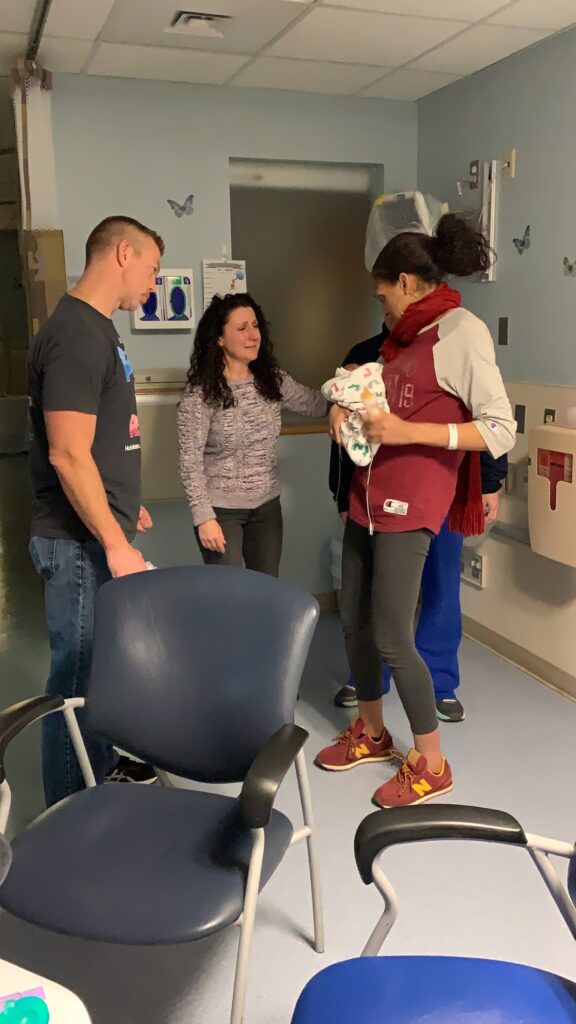
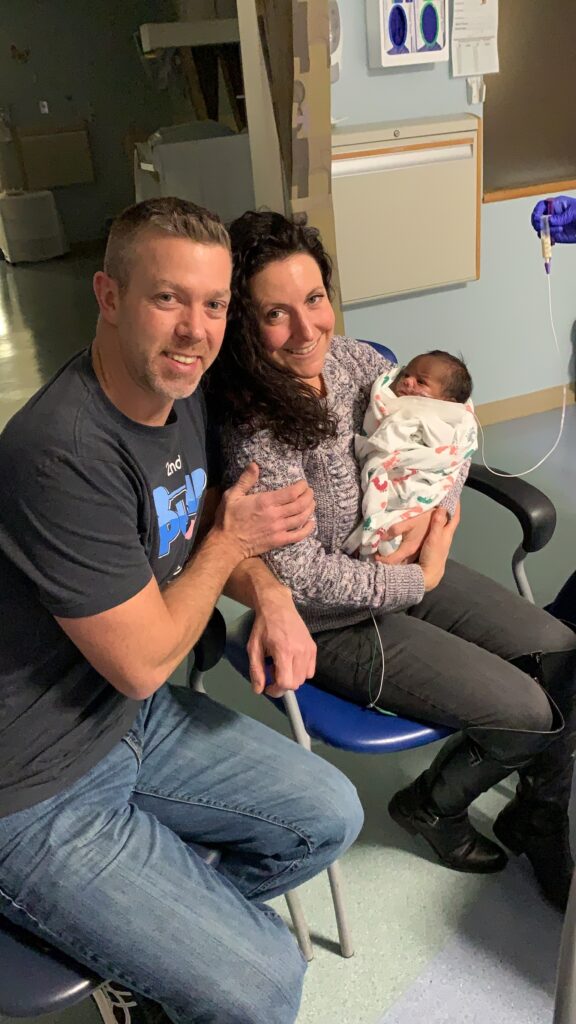
It indeed happened.. we have a daughter and are finally parents! I’ll never forget the day a woman sent that to me…. Today we’re celebrating the day we met our little girl, Aila Brielle. At 9:30am one year ago today, we were packing to go snow tubing for the weekend (or so we thought )
BUT, in typical fashion, God had other plans.
Today is the day our lives changed forever… the day we realized what all the pain and 6 years of “IVF failures” were for.. they were leading us to Aila .. for what we were truly called to do.
We couldn’t have done this without our family & friends who scurried to get a nursery ready, clothes and a crib. My sis in laws who washed donated clothes, brought us groceries and held Aila in the Nicu so we could get a break. After 4 long weeks we came home to everything in place we love you all!
Aila has had lots of fires in the fall and winter months and , of course, the place she’s been to the most is the beach. 😉
We have to make mention of the amazing Nicu nurses at Cooper (we love you so much Janet Braneky) and the selfless volunteers who fed us day and night for four weeks while we stayed at the Ronald Macdonald House in Camden. We love all the peeps we met there!
We also are forever in debt to the women who have donated breast milk to help in Ailas recovery and growth since 3 days old and ongoing in addition to the clothes and baby gear. We’re eternally grateful.
CELEBRATING AILA TODAY AND EVERYDAY





| Join Us LIVE Jan. 26th @ 7pm! Join us live on Facebook January 26th at 7pm to get your questions answered! Dr. Jessica Miller, MD will be leading a live comprehensive discussion about updates on the corona virus. Please feel free to post your questions within the event page HERE and we will have Dr. Miller answer as many as she can. Remember, the best prevention from cold and flu season is a strong and robust immune system. |
